
SEPARATOR FILM / Aramid-coated separator
Aramid-coated battery separator supplier
Every separator layer, carrying cell safety
From aramid coating to custom composites, we treat thickness, porosity and thermal shrinkage as measurable engineering problems and confirm the definition of each figure with the cell team before quoting a number.
Scroll · continue to the material capabilities
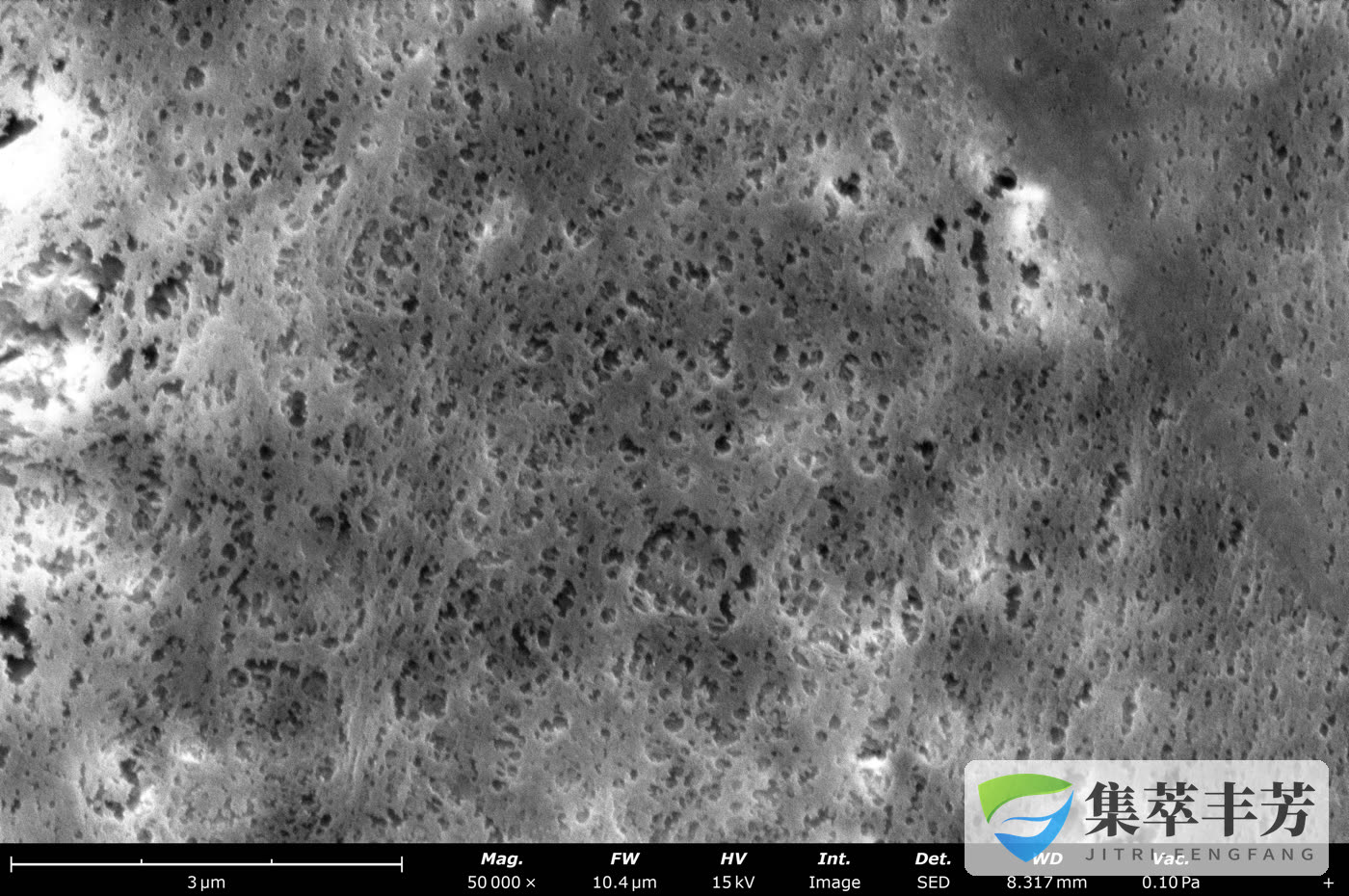
- Coating capacity30 million m²Annual capacity of the automated coating line
- Cleanroom4,000 m²In-house clean production and testing environment
- QualificationTechnology-Based SME2025
- Granted patents2011 invention, 9 utility model
01
Separator · aramid coating
An aramid organic coating is introduced on the polyolefin base film, balancing high-temperature resistance, interface adhesion and mechanical retention after heat exposure.
1-2%
Thermal shrinkage
Condition: 180 °C / 30 min, air atmosphere, MD and TD shrinkage (GB/T 36363-2018)
>400°C
Breakdown temperature
Condition: N2 atmosphere, 100 °C/min ramp, 0.02 N tension (GB/T 36800-2018)
35-45%
Separator porosity
Measured range over multi-batch coated samples, derived from thickness, areal density and slurry density
Models on sale (6)
02
Core business
Two business lines: one turns the material into measurable numbers, the other turns the scheme into a concrete cell architecture.
Semi-solid aramid-coated separators
Flagship productEV batteriesEnergy storageHigh-safety applications
An aramid coating layer is introduced on the separator surface for cell chemistries with high safety requirements, balancing high-temperature resistance, interface adhesion and mechanical retention after heat exposure.
- Six models on sale with total thickness of 9 / 11 / 13 / 14 µm, covering single-side, double-side and semi-solid structures
- Thermal shrinkage 1-2% (180 °C / 30 min); breakdown temperature above 400 °C
- Puncture strength retention after heat treatment: 40%-60% in the 150 °C / 0.5 h band, above 20% in the 180 °C / 0.5 h band
- Internal acceptance criterion for peel strength > 30 N/m (GB/T 7122-96)
Custom composite and technical support
Technical collaborationEV batteriesEnergy storageConsumer electronics
Structural combinations and process adjustments are worked out around the cell architecture, with the technical team taking part in parameter confirmation and failure analysis from the sample stage.
- Cell design and duty cycle are aligned first; parameter ranges are discussed afterwards
- Test data and failure-analysis suggestions are provided during sample validation
- A technical contact window is kept open during mass production to handle batch variation
- Coating composition and process parameters are company trade secrets and are not disclosed
03
Flagship product
Semi-solid aramid-coated separator. An aramid coating layer is placed on the separator surface so that heat resistance, interface adhesion and mechanical retention after heat exposure can be discussed as one scheme.
01
High-temperature resistance
Thermal stability of the coating is verified under agreed test conditions; a single temperature figure never replaces a full cell-level safety assessment.
02
Interface adhesion
The coating keeps a stable contact state with the electrode during assembly, reducing the risk caused by interfacial slip.
03
Puncture retention after heat
Evaluated by the agreed test method and acceptance criteria, focusing on mechanical retention after heat exposure rather than on a single peak value.
The statements above are based on agreed test conditions and methods; the actual figures are confirmed per project and per test report.
04
Applications
EV · energy storage · consumer cells
Separator matching for EV power cells
Thickness and thermal shrinkage are re-prioritised against the module structure and the duty cycle of the vehicle.
Separator choice for high-rate discharge
In small, high-rate duty cycles the trade-off between puncture strength and thickness is brought to the front.
Coating scheme for long-cycle storage cells
For long-cycle operation, the relation between interface wetting and batch consistency is addressed first.
Thin-and-light adaptation for phone and tablet cells
Within a tight thickness budget, the balance between porosity and mechanical retention is reconsidered.
Separator adaptation for high-rate drone cells
Thickness and coating structure trade-offs are reconfirmed for high-rate discharge and overall weight reduction.
Cell consistency requirements for grid-side storage
Batch-to-batch differences are kept inside a range that can be verified for centralised storage projects.
05
Testing and R&D capability
The company has built a pilot production line, an R&D laboratory line and a testing laboratory, equipped with coating, slitting and separator drying equipment.
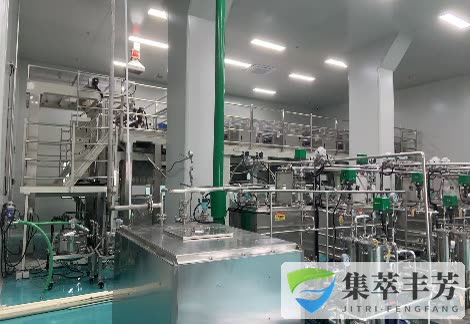 Clean workshop: stainless steel vessels and piping (company photo)
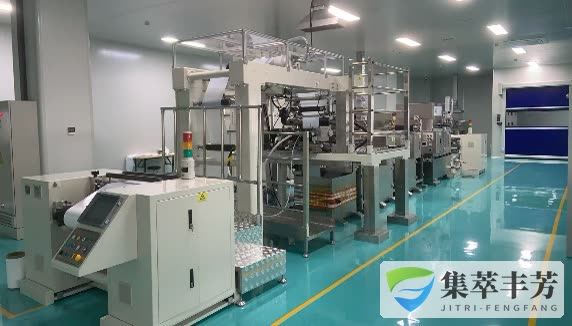 Experimental coating line: coating machine (company photo)
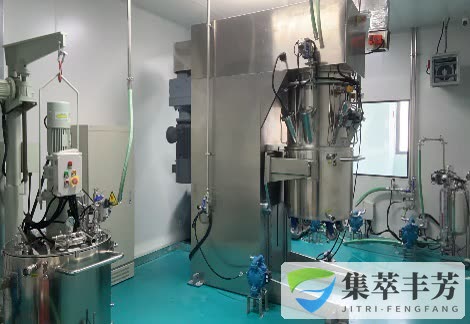 Pilot production line: process equipment (company photo)
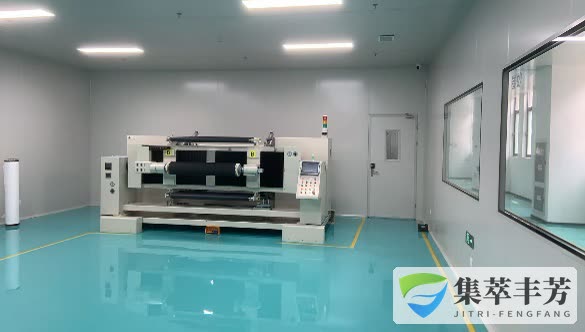 Workshop overview and floor markings (company photo)
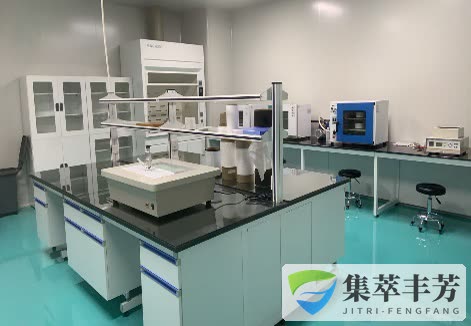 R&D laboratory and test instruments (company photo)
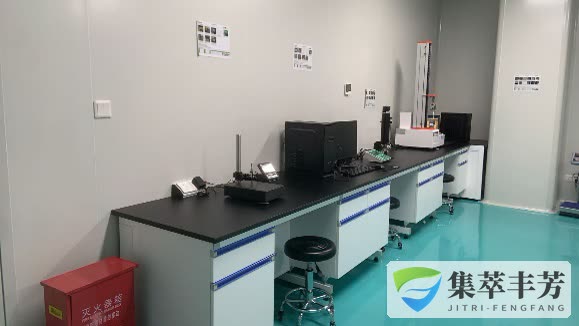 Testing laboratory and mechanical test equipment (company photo)
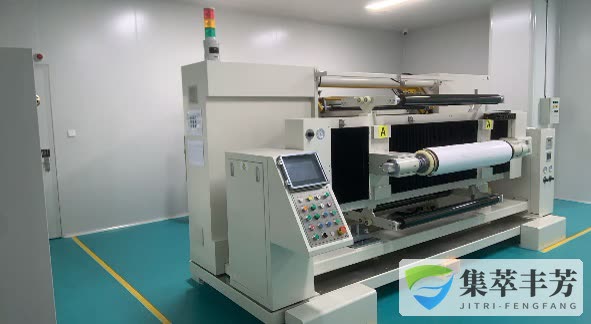 Equipment close-up and roll stands (company photo)
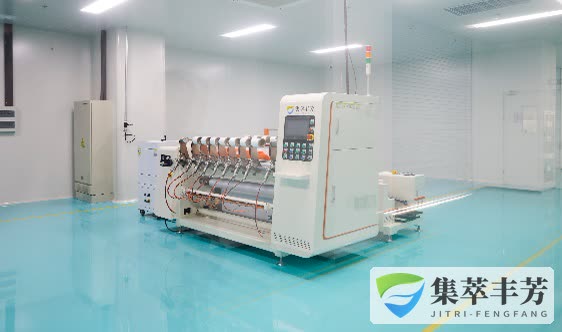 Slitting equipment (company photo)
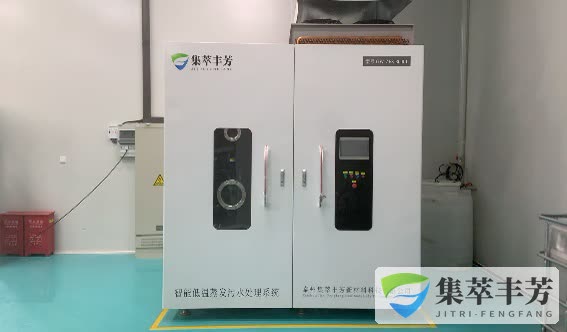 Temperature and humidity control unit (company photo)
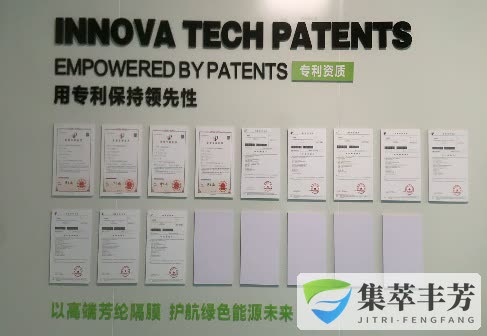 IP results display wall (company photo)
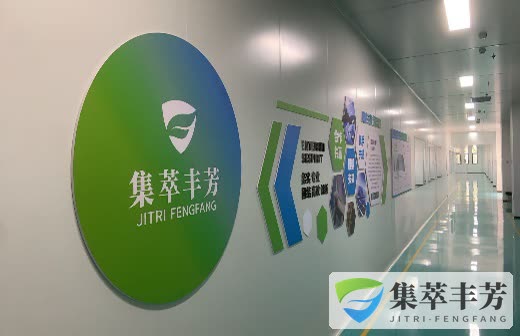 Plant corridor (company photo)
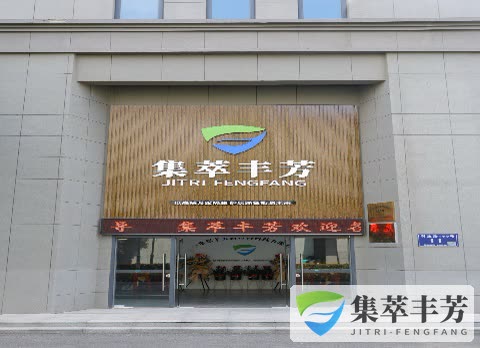 Plant entrance (company photo)
06
Intellectual property
20 granted patents (11 invention patents, 9 utility models). The original certificate of every one of them can be checked on the patent page.
Core technical directions cover aramid-coated separator preparation, para-aramid composites, high wettability, anode-free structures, solid-state ion conductor composite separators, and tooling such as coating equipment, drying systems, slitting machines, closed-pore temperature and breakdown temperature test devices.
Invention patents
11
Granted, certificate originals archived
Utility models
9
Granted, certificate originals archived
Granted patents
20
Every one of them has a certificate scan kept by the company
07
Customer cooperation
The company has agreed sample delivery plans and strategic cooperation with a number of well-known battery companies in the industry.
01
Requirement confirmation
Align the cell architecture, application scenario and the range of metrics that matter.
02
Sample validation
Provide test data and failure-analysis suggestions, and narrow down the parameter range.
03
Technical liaison
Keep a window open during mass production to handle batch variation and failure analysis.
04
Delivery and traceability
Moisture-proof packaging with batch identification; retained samples archived in parallel.
More application scenarios and ways of working together: see the applications page.
08
Frequently asked questions
The questions that come up most often when a material scheme is discussed.
What is the breakdown temperature of the aramid-coated separator?
According to the thermal performance test report for aramid-coated separators at 180 °C, under nitrogen with a 100 °C/min ramp and 0.02 N tension (GB/T 36800-2018) the dimensions barely change from room temperature up to above 400 °C, and a clear dimensional transition appears above 400 °C, i.e. the breakdown temperature is above 400 °C. The test was carried out at the Waters Technology Application Laboratory of TA Instruments.
What is the thermal shrinkage of the aramid-coated separator at 180 °C?
At 180 °C / 30 min in an air atmosphere (GB/T 36363-2018) the thermal shrinkage is only 1-2%; the report conclusion is stated as thermal shrinkage performance <= 3%.
Does puncture strength drop after the aramid coating?
No. Test reports show that after heat treatment at 145 °C / 1 h and 140 °C / 1 h the puncture strength of the separator is unchanged or slightly improved; temperatures below 145 °C do not reduce puncture strength. In the 150 °C / 0.5 h band, double-side coated designs retain 40%-60% of puncture strength, and above 20% is still retained in the 180 °C / 0.5 h band.
What are the core properties of aramid-coated separators?
Four items. First, heat resistance: thermal shrinkage of only 1-2% after 180 °C / 30 min in air, and a breakdown temperature above 400 °C. Second, adhesion to electrodes, with an internal acceptance criterion of > 30 N/m for peel strength. Third, suppression of lithium dendrite growth. Fourth, improved electrolyte interface stability. The product range covers single-side coating, double-side coating and semi-solid structures; the exact coating composition and coating sequence are company trade secrets and can be discussed one-on-one.
What is the peel strength criterion for aramid-coated separators?
Per GB/T 7122-96 (Determination of peel strength of high-strength adhesives, floating roller method), the internal acceptance criterion is > 30 N/m. Experimental data show that both single-side and double-side coated designs meet it, with the double-side design meeting it consistently over a wider process window. The exact formulation and process window are company trade secrets and are not disclosed.
09
Insights
The parts of selection and test conditions that tend to stay vague, written as statements that can be checked.
Each note is organised around one question and carries the test condition and the standard behind every figure. No conclusion that has not been confirmed, and no adjective standing in for a checkable number.
- Selecting a separator for semi-solid cells: mechanical retention matters before peak strength
- How a thermal shrinkage of 1-2% is measured: the condition matters more than the number
- What a breakdown temperature above 400 °C does and does not say
- Does puncture strength drop after aramid coating? Read the heat window first
- From 9 µm to 14 µm: how to order the trade-off between separator thickness and energy density
- Where the difficulty of aramid coating actually lies: four requirements that pull in opposite directions
- Adhesion and wetting are two different questions: their criteria and how to read them together